

How to Treat Sun-Damaged Skin to Restore Elasticity & Tone
Sun exposure often leaves your skin feeling less lively, sagging, or uneven over time.
Noticing the effects in the mirror can be discouraging. However, treating sun-damaged skin properly can fade dark spots while restoring your skin’s natural bounce and radiance.
With consistent care, smart ingredients, and some professional support, you all can bring back elasticity and tone.
Why Sun Damage Affects Skin Structure
Ultraviolet rays break down collagen and elastin, the very fibers that give your skin its suppleness. As they weaken, your skin loses resilience, looks rough or crepey, and develops fine lines.
You may also notice discoloration or a dull texture; these are structural shifts rather than surface issues.
Being aware of this helps you see why repairing sun damage requires more than a basic moisturizer.
Building an Effective At-Home Routine
To truly restore your skin, start with a targeted daily regimen.
Use a gentle cleanser, and then apply a vitamin C serum in the morning to support collagen and neutralize free radicals, followed by sunscreen (this is non-negotiable).
At night, introduce a retinoid or peptide-rich formula to encourage regeneration and improve elasticity.
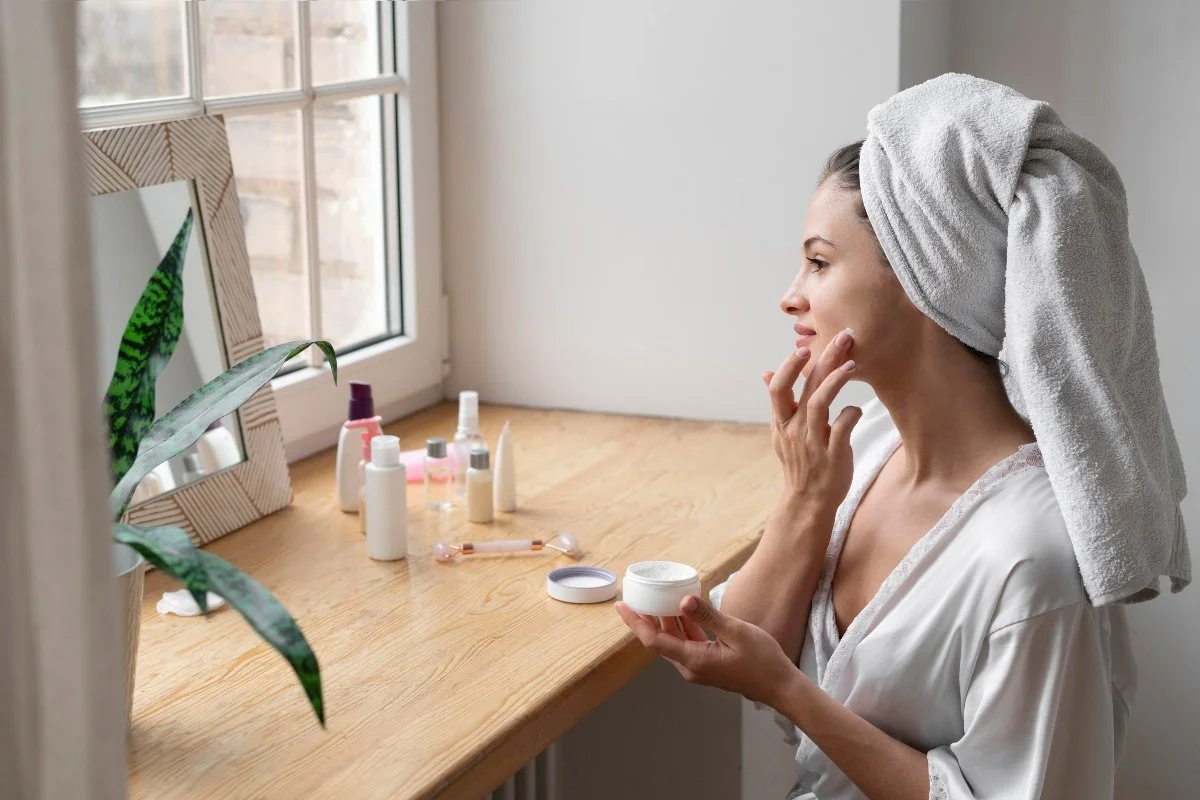
Use a gentle chemical exfoliant once or twice a week to remove dead cells and let those potent actives sink in.
This approach treats sun-damaged skin by combining repair and renewal without overwhelming sensitive areas.
Powering Deep Repair Through Pro Treatments
Sometimes your at-home tools aren’t enough, which is where professional treatments come in.
Procedures like microneedling stimulate collagen production by creating controlled micro-injuries.
Laser therapy or chemical peels target discoloration and bounce back firmness, and radiofrequency (RF) tightening can firm sagging areas by gently heating the deeper skin layers.
These treatments complement your daily efforts by rebuilding the structure that sun damage has eroded, giving you lasting, noticeable results.
Reinforcing Your Skin’s Barrier and Hydration
A healthy barrier underpins your skin’s ability to restore elasticity and tone.
To support it, use moisturizers with ceramides, which replenish the lipids that UV exposure damages.
Hyaluronic acid is a great addition, since it draws in water, helping plump up fine lines and support elasticity.
Preventing Future Damage While You Heal
Repair only works if you also protect. Choose a broad-spectrum SPF 30 or higher and apply it every morning, especially on exposed areas.
Reapply every two to three hours if you are exposed to the sun, and especially after sweating or swimming.
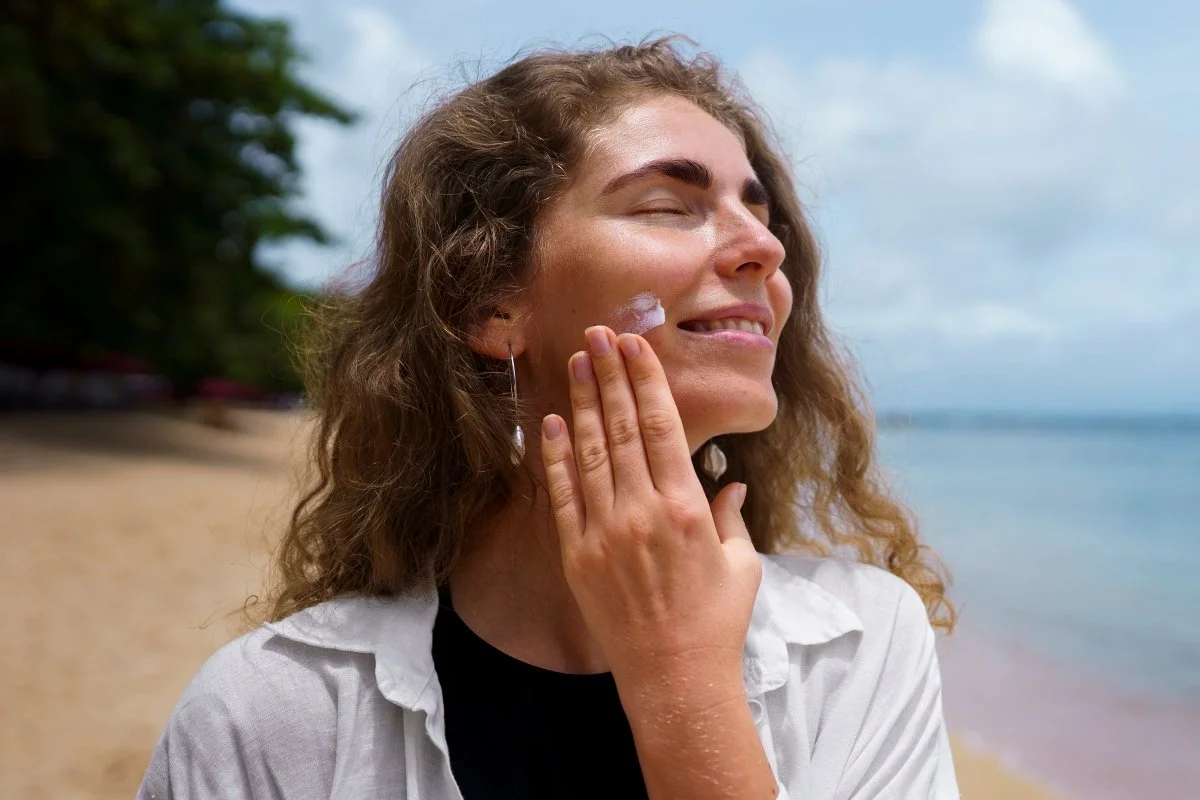
Wear hats, UV-blocking clothing, and sunglasses. Also, schedule outdoor time when the sun is milder, like early morning or late afternoon.
Shielding your skin as you heal helps reduce repeat damage and supports long-term tone restoration.
A Realistic Path Forward
You now have a clear roadmap for treating sun-damaged skin, combining daily actives, occasional professional treatments, and barrier-strengthening hydration.
With time and consistency, you’ll restore elasticity, even out your tone, and rebuild stronger, more resilient skin.
The journey demands diligence, but when you invest in this healing trifecta, you give your skin the best shot at coming back healthier and more vibrant.
Your Skin’s Comeback Starts Now
Ready to take your skin repair further? Book luxurious wellness treatments for rejuvenation at a trusted medspa in Washington, MO.
At River Sirens Collective, you can get our premium membership for consistent access to powerful skin-restoring services, or sign up for a consultation to build a treatment plan that suits your goals.
Head to our website to schedule your appointment and begin your journey to smoother, more elastic skin.
